

The company systematically builds a climate governance system, achieves green operations through refined management of energy and resources, controls ecological impacts with an all-dimensional environmental management system, and leads the industry's green transformation through low-carbon product R&D.

Indicator targets

Progress in 2025

Deeply aware of the profound impact of climate change on corporate sustainable development, the company has fully integrated climate action into its core corporate governance and strategic development framework, built a full-chain climate governance system, and continuously enhanced climate resilience to drive green, low-carbon transformation through institutional innovation, technological upgrades, and industrial synergy.
Governance structure: The company's ESG Committee is fully responsible for overseeing and executing climate-related actions, under which an ESG Management Working Group and a Climate Change Special Action Group have been established to implement, track, and evaluate relevant initiatives.
Risk management: The company has established a climate risk management mechanism covering the entire process of risk identification, assessment, response, and reporting, comprehensively enhancing the systematic and professional management of corporate climate risks.
Carbon emission management: Actively responding to the national "dual carbon" strategy, the company regularly conducts carbon accounting, laying a solid foundation for science-based emission reductions and green development.
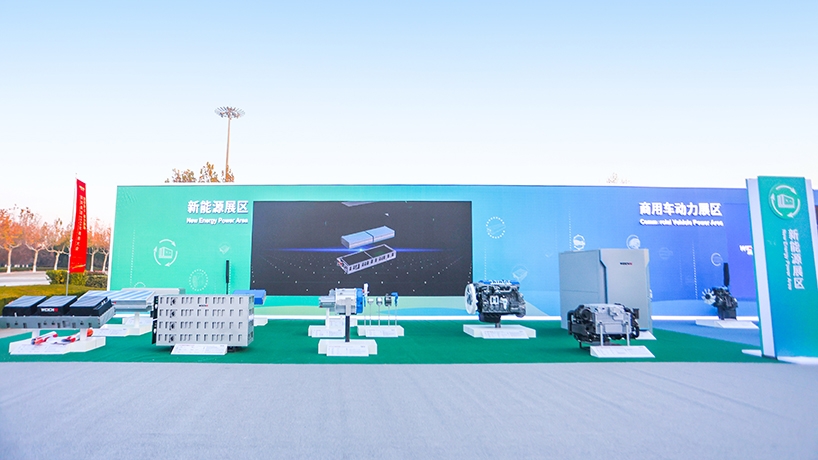
The company continues to increase R&D investment in clean technologies and has achieved a series of breakthroughs in key areas such as low-carbon products, clean products, and new energy products, driving progress toward carbon neutrality goals through technological innovation and leading the industry's green transformation and upgrading.
Strategic layout: Driven by "green" and "technology" as dual engines, the company develops both traditional and new energy tracks to provide global customers with full-scenario, full-lifecycle low-carbon and zero-carbon power solutions.
Management initiatives: The company has built an open, collaborative R&D system, actively led and participated in standard formulation, and established a product lifecycle compliance management system, boosting the company's sustainable and high-quality development.
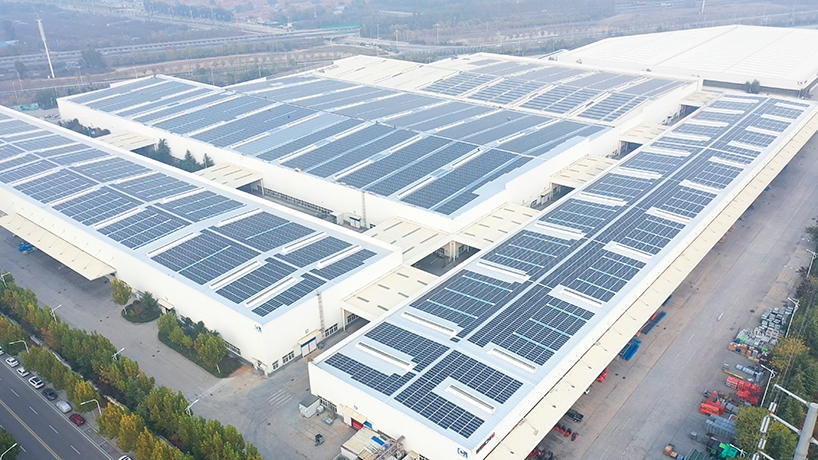
The company systematically promotes energy and resource management, continuously enhances resource utilization efficiency, and reduces its environmental footprint, supporting global climate action and ecological civilization construction through concrete actions.
Energy management: The company has established a comprehensive energy management system and digital platform to standardize energy management, and has been successively recognized as a provincial-level and national-level Green Factory.
Water management: The company has established a water resource and water risk management system covering the entire process of water intake, usage, recycling, and discharge, conducting routine water quality monitoring and data analysis to prevent and control water-related risks.
Circular economy: The company promotes product lifecycle management, enhancing resource efficiency through diverse approaches such as prioritizing recyclable eco-friendly materials, promoting component remanufacturing, and reselling complete machines and core components.
Green operations: The company integrates green development concepts into daily operations, implements green office initiatives, and conducts environmental awareness campaigns; it strictly complies with ecological assessment and biodiversity conservation requirements, avoiding ecologically sensitive areas.

The company is committed to building a systematic, standardized, and long-term mechanism with full employee participation. It establishes an environmental management system covering the entire value chain, deeply integrating environmental protection into operational decisions and daily practices through ongoing risk identification, strict performance audits, and profound cultural cultivation.
Management system: Complying with environmental protection laws and regulations, the company improves its EHS environmental management system, incorporates environmental targets into performance appraisals, reinforces environmental responsibilities, and builds a clear environmental governance system.
Risk response: Relying on an intelligent environmental platform for real-time emission warnings, the company collaborates with third parties to conduct routine environmental monitoring and hazard rectification, and optimizes emergency plans and drill mechanisms to effectively mitigate environmental risks.
Audit and certification: The company has established a closed-loop supervision and audit mechanism combining internal audits, special inspections, and external reviews, conducting internal and external environmental verifications and system audits to ensure the continuous and effective operation of the environmental management system.
Cultural cultivation: Through diverse online and offline training models covering hazardous waste management, emergency response, and other operational areas, the company strengthens environmental risk awareness across all employees and promotes the integration of green concepts into all business operations.
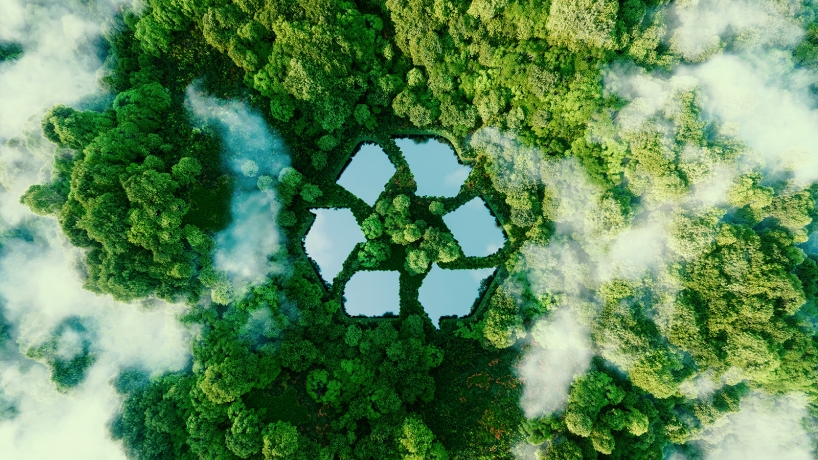
The company has built a sound institutional system to implement standardized full-process management and treatment of various pollutants—including air emissions, wastewater, solid waste, and noise—ensuring that all emissions are effectively controlled, fully meeting and exceeding regulatory requirements, and driving the green, low-carbon transformation of operational activities.
Air emissions management: The company continuously improves its atmospheric pollution control system and implements full-process treatment for exhaust pollutants such as nitrogen oxides, ensuring consistent compliance with emission standards.
Wastewater management: The company improves internal wastewater treatment procedures, implements classified pretreatment of industrial wastewater, promotes reclaimed water reuse and water-saving retrofits, and conducts daily water quality monitoring to enhance water recycling efficiency.
Waste management: The company has established a whole-lifecycle classification management system for hazardous waste and general solid waste, implementing ledger tracking, standardized storage, and internal and external supervisory inspections to promote reduction, resource recovery, and harmless disposal.
Noise management: The company controls operational noise through diverse measures such as equipment optimization, engineering noise reduction, and regular monitoring, strictly controlling noise pollution to create a favorable production and surrounding ecological environment.
Deeply aware of the profound impact of climate change on corporate sustainable development, the company has fully integrated climate action into its core corporate governance and strategic development framework, built a full-chain climate governance system, and continuously enhanced climate resilience to drive green, low-carbon transformation through institutional innovation, technological upgrades, and industrial synergy.
Governance structure: The company's ESG Committee is fully responsible for overseeing and executing climate-related actions, under which an ESG Management Working Group and a Climate Change Special Action Group have been established to implement, track, and evaluate relevant initiatives.
Risk management: The company has established a climate risk management mechanism covering the entire process of risk identification, assessment, response, and reporting, comprehensively enhancing the systematic and professional management of corporate climate risks.
Carbon emission management: Actively responding to the national "dual carbon" strategy, the company regularly conducts carbon accounting, laying a solid foundation for science-based emission reductions and green development.
The company continues to increase R&D investment in clean technologies and has achieved a series of breakthroughs in key areas such as low-carbon products, clean products, and new energy products, driving progress toward carbon neutrality goals through technological innovation and leading the industry's green transformation and upgrading.
Strategic layout: Driven by "green" and "technology" as dual engines, the company develops both traditional and new energy tracks to provide global customers with full-scenario, full-lifecycle low-carbon and zero-carbon power solutions.
Management initiatives: The company has built an open, collaborative R&D system, actively led and participated in standard formulation, and established a product lifecycle compliance management system, boosting the company's sustainable and high-quality development.
The company systematically promotes energy and resource management, continuously enhances resource utilization efficiency, and reduces its environmental footprint, supporting global climate action and ecological civilization construction through concrete actions.
Energy management: The company has established a comprehensive energy management system and digital platform to standardize energy management, and has been successively recognized as a provincial-level and national-level Green Factory.
Water management: The company has established a water resource and water risk management system covering the entire process of water intake, usage, recycling, and discharge, conducting routine water quality monitoring and data analysis to prevent and control water-related risks.
Circular economy: The company promotes product lifecycle management, enhancing resource efficiency through diverse approaches such as prioritizing recyclable eco-friendly materials, promoting component remanufacturing, and reselling complete machines and core components.
Green operations: The company integrates green development concepts into daily operations, implements green office initiatives, and conducts environmental awareness campaigns; it strictly complies with ecological assessment and biodiversity conservation requirements, avoiding ecologically sensitive areas.
The company is committed to building a systematic, standardized, and long-term mechanism with full employee participation. It establishes an environmental management system covering the entire value chain, deeply integrating environmental protection into operational decisions and daily practices through ongoing risk identification, strict performance audits, and profound cultural cultivation.
Management system: Complying with environmental protection laws and regulations, the company improves its EHS environmental management system, incorporates environmental targets into performance appraisals, reinforces environmental responsibilities, and builds a clear environmental governance system.
Risk response: Relying on an intelligent environmental platform for real-time emission warnings, the company collaborates with third parties to conduct routine environmental monitoring and hazard rectification, and optimizes emergency plans and drill mechanisms to effectively mitigate environmental risks.
Audit and certification: The company has established a closed-loop supervision and audit mechanism combining internal audits, special inspections, and external reviews, conducting internal and external environmental verifications and system audits to ensure the continuous and effective operation of the environmental management system.
Cultural cultivation: Through diverse online and offline training models covering hazardous waste management, emergency response, and other operational areas, the company strengthens environmental risk awareness across all employees and promotes the integration of green concepts into all business operations.
The company has built a sound institutional system to implement standardized full-process management and treatment of various pollutants—including air emissions, wastewater, solid waste, and noise—ensuring that all emissions are effectively controlled, fully meeting and exceeding regulatory requirements, and driving the green, low-carbon transformation of operational activities.
Air emissions management: The company continuously improves its atmospheric pollution control system and implements full-process treatment for exhaust pollutants such as nitrogen oxides, ensuring consistent compliance with emission standards.
Wastewater management: The company improves internal wastewater treatment procedures, implements classified pretreatment of industrial wastewater, promotes reclaimed water reuse and water-saving retrofits, and conducts daily water quality monitoring to enhance water recycling efficiency.
Waste management: The company has established a whole-lifecycle classification management system for hazardous waste and general solid waste, implementing ledger tracking, standardized storage, and internal and external supervisory inspections to promote reduction, resource recovery, and harmless disposal.
Noise management: The company controls operational noise through diverse measures such as equipment optimization, engineering noise reduction, and regular monitoring, strictly controlling noise pollution to create a favorable production and surrounding ecological environment.
Policies and regulations


联系我们
To build a world-class multinational group of high-end equipment with leading technology and green development
了解更多
Weichai's full-series, full-domain products, and full-scenario high-end equipment solutions
了解更多
Exclusive service website, guarding customer operations with the commitment of saying, doing, and being more considerate
了解更多
 400-618-3066
Copyright © WEICHAI POWER CO.,LTD
Contact Us
To build a world-class multinational group of high-end equipment with leading technology and green development
Learn More
Weichai's full-series, full-domain products, and full-scenario high-end equipment solutions
Learn More
Exclusive service website, guarding customer operations with the commitment of saying, doing, and being more considerate
Learn More







 /
/



 Customer Service Hotline:400-618-3066